Shimano STEPS Power Transmission OEM logo
Service workflow

OEM and dealer support from pilot frame to fleet service

Shimano STEPS programs work best when motor selection, firmware policy, brake bed-in, harness routing and dealer diagnostics are planned together. Our service path gives engineering, purchasing and aftersales teams a common checklist before the first production build leaves the line.

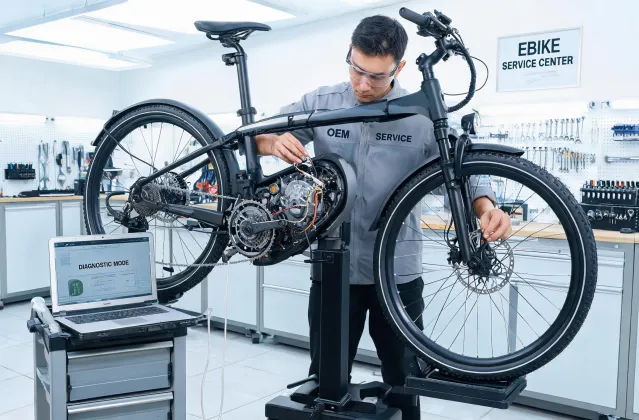
Ebike service bench with drive diagnostics
01

Platform specification

We review rider mass, gradeability, wheel size, target assist behavior and battery assumptions. The output is a drive family recommendation with 36 V architecture notes, expected torque demand, regional EN 15194 constraints and a service risk list. This keeps marketing claims, frame packaging and dealer procedures aligned before expensive prototype loops begin.

02

Launch documentation

OEM teams receive installation references, brake bed-in guidance, firmware setup notes and packaging checks that can be adapted into plant work instructions. Each topic is written so production operators can verify the same items that field technicians will later inspect with E-TUBE diagnostics.

03

Dealer readiness

For markets with dense service networks, we help define dealer triage steps, error history capture, replacement drive handling and escalation language. The goal is a short path from rider issue to documented repair without forcing every case back to the factory.

Numbered service path

Four checks before release

1

Duty cycle review

Confirm torque, cadence, battery capacity and brake load with real route data, not only brochure ranges.

2

Frame interface check

Validate motor mount, chainline, cooling clearance, harness protection and service access for the planned assembly sequence.

3

Firmware policy

Lock assist profiles, update windows, diagnostic permissions and dealer documentation before the first shipment.

4

Field feedback loop

Collect early error logs, brake wear notes and battery observations to refine the next production batch.

Measured support, not vague assurance

Every project record can include 85 Nm torque assumptions, 25 km/h or local speed classification, battery safety references, rotor size notes and diagnostic checkpoints. That structure lets warranty, engineering and sales teams discuss the same facts when a bike moves from prototype to service fleet.

Spec engineer review

Need a service plan for an upcoming ebike launch?

Send your frame concept, planned drive family, battery target, brake package and launch markets. We will respond with the documents and checks your team should prepare first.